BRANDED RESIDENCES: POR QUE MARCAS DE LUXO ESTÃO ASSINANDO EMPREENDIMENTOS IMOBILIÁRIOS?
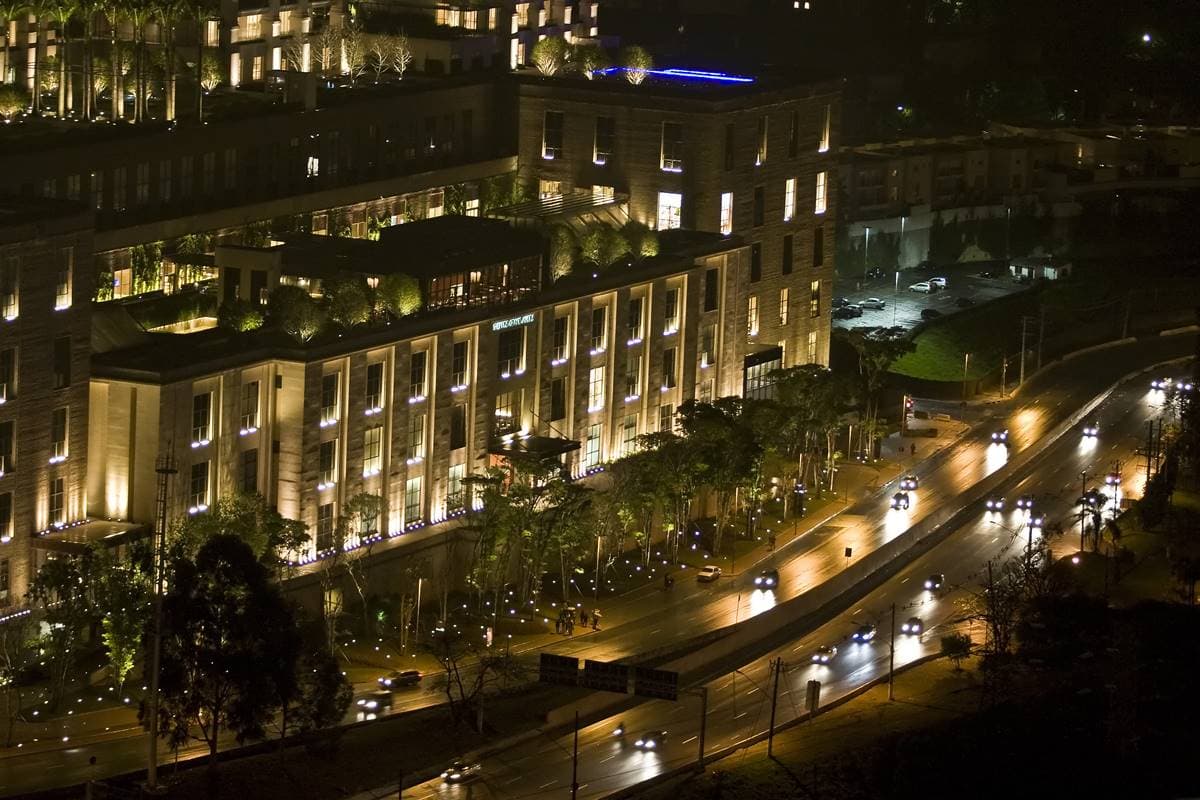
Se você vive em São Paulo, é provável que já tenha se deparado com uma branded residence — talvez sem perceber. O mesmo acontece no Rio, em Maringá, Curitiba, Belo Horizonte, Praia do Patacho, Campinas, Salvador, Belém, João Pessoa, Fortaleza, Goiânia, Porto Alegre ou Balneário Camboriú.
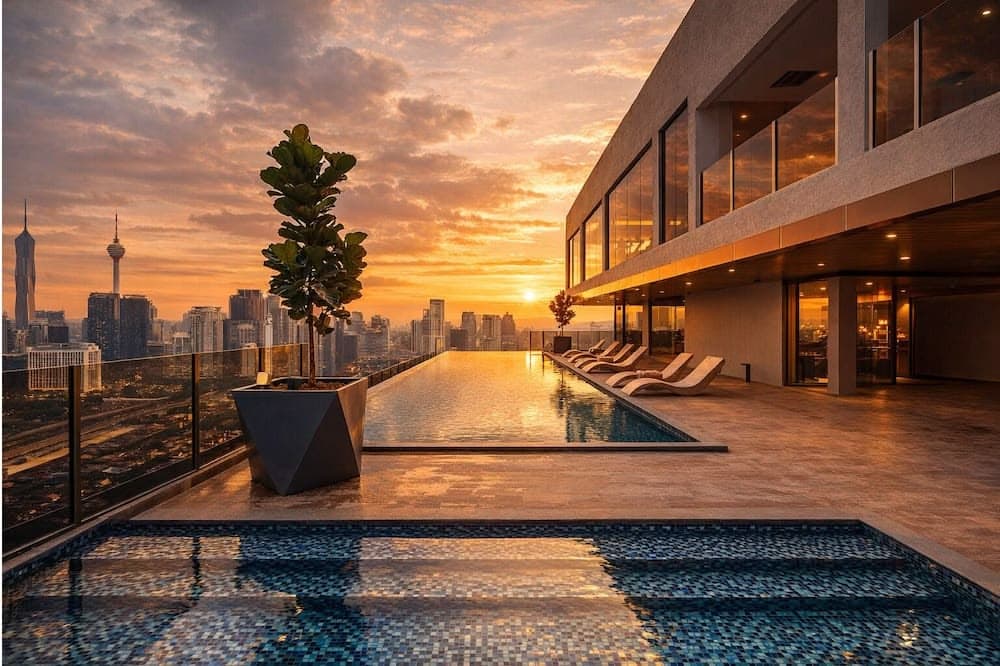
As branded residences se consolidaram como uma das tendências mais fortes do luxo no Brasil e no mundo nos últimos anos. Na prática, trata-se da associação entre incorporadoras e marcas que emprestam seu universo simbólico, sua estética e identidade visual para empreendimentos residenciais.
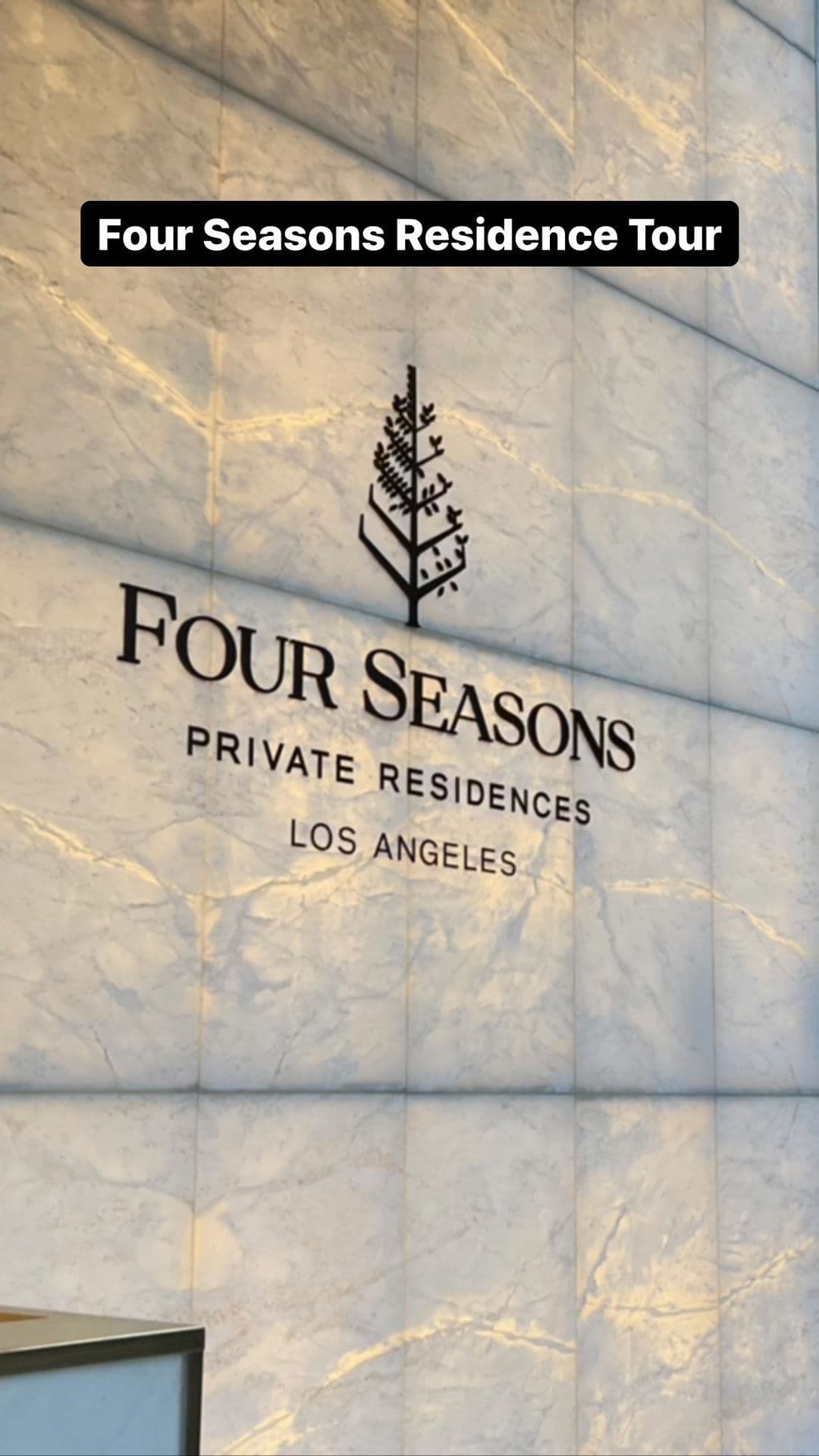
Esta não é exatamente uma ideia nova. Nos anos 1980, organizações do setor hoteleiro deram início a uma extensão de marca natural nos Estados Unidos, se aproveitando do know-how de seu segmento original. Marcas como a Four Seasons passaram a inaugurar seus próprios empreendimentos imobiliários com a proposta de promover a seus moradores a experiência de viver em um cinco estrelas, com serviços e amenities de altíssimo padrão.
O que mudou radicalmente na última década foi o perfil das marcas interessadas nesse mercado e a natureza do valor que elas agregam. Além das hoteleiras, hoje, Pininfarina, Porsche, Armani Casa, Fendi, Dolce & Gabanna e outras grifes dos setores automotivo, moda, design, mobiliário e decoração disputam espaço em projetos imobiliários ao redor do mundo. Em alguns casos, seus empreendimentos até empregam serviços e amenities, mas, em geral, o valor agregado por elas que justifica o preço até 72% maior do m² desses empreendimentos, está em outro lugar.
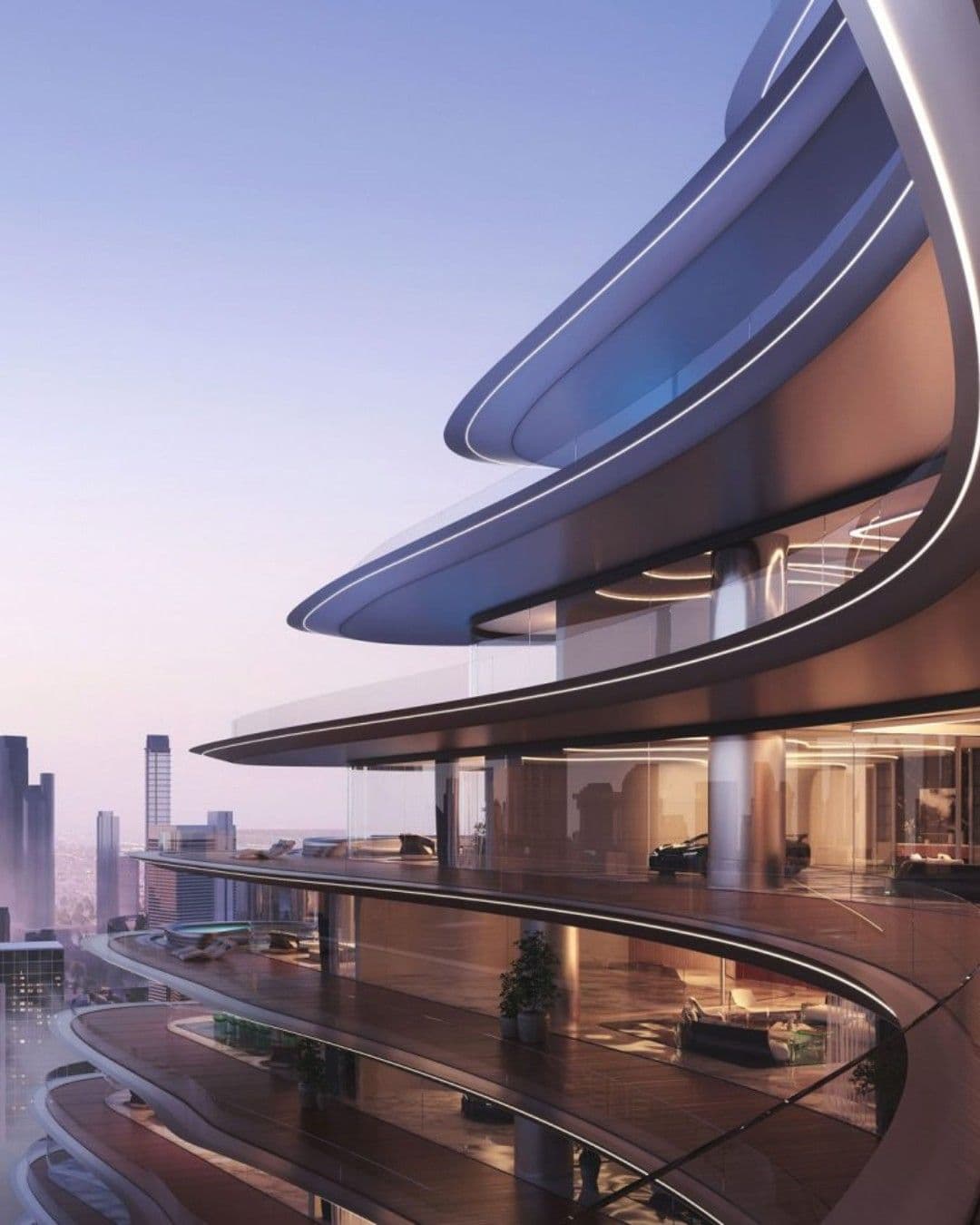
Bugatti Residences
Existe um componente quase mitológico nessa estratégia. Historicamente, o luxo sempre construiu valor por meio de símbolos, rituais e espaços de consagração. As flagships cumprem esse papel há décadas ao funcionarem como verdadeiros templos de marca. Agora, as branded residences levam essa lógica a uma nova escala: transformam os códigos visuais, sensoriais e culturais das marcas em identidade residencial e arquitetura habitável. Em vez de visitar a marca por alguns minutos, o consumidor passa a morar dentro dela.
Recentemente, conversei com executivos que atuam neste segmento. Em comum nas entrevistas, ouvi: “os empreendimentos funcionam como a materialização em escala arquitetônica dos valores que a marca comunica em seus mercados de origem”.
Em outras palavras, os edifícios se tornaram vitrines monumentais da capacidade de design autoral e da riqueza cultural do universo simbólico das marcas. Os moradores ganham a oportunidade de morar em um empreendimento carregado de significado e com uma identidade residencial e curadoria estética.
Ao mesmo tempo, as marcas ampliam a percepção de que seu valor agregado não está nos produtos, mas em seu olhar, seu design proprietário e o capital simbólico. Isso solidifica o arcabouço simbólico que envolve a marca e amplia as possibilidades de extensões para outros segmentos no futuro.
O Brasil e, em especial, a cidade de São Paulo é protagonista desta história. Com mais de 30 projetos entre finalizados e em andamento, a cidade é a quarta do mundo. A Pininfarina, que é a marca não-hoteleira com mais empreendimentos assinados no mundo, concentra quase metade de seus projetos no Brasil - cerca de 20.
Nos últimos três anos, o que mais surpreende é que marcas brasileiras também estão se destacando no setor. A Artefacto, que deu início a suas investidas no setor em 2023, já ultrapassou uma dezena de projetos. Exploraremos mais o protagonismo brasileiro em breve por aqui.

Perfil: Marco Aurélio Fernandes é formado em administração pela Universidade de São Paulo (USP) e pós-graduado em marketing e branding pela FIA Business School. Com mais de 10 anos de experiência, é especialista em marcas e branding e sócio-consultor da TopBrands Consultoria de Branding.
BRANDED RESIDENCES: WHY ARE LUXURY BRANDS LENDING THEIR NAMES TO REAL ESTATE DEVELOPMENTS?
If you live in São Paulo, chances are you have already come across a branded residence, perhaps without even realizing it. The same is true in Rio de Janeiro, Maringá, Curitiba, Belo Horizonte, Praia do Patacho, Campinas, Salvador, Belém, João Pessoa, Fortaleza, Goiânia, Porto Alegre and Balneário Camboriú.
Branded residences have established themselves as one of the strongest trends in luxury in Brazil and around the world in recent years. In practice, they result from partnerships between real estate developers and brands that lend their symbolic universe, aesthetic codes and visual identity to residential developments.
This is not exactly a new idea. In the 1980s, hospitality companies began a natural brand extension in the United States, leveraging the know-how of their original sector. Brands such as Four Seasons started launching their own real estate developments with the promise of offering residents the experience of living in a five-star environment, with services and amenities of the highest standard.
What has changed radically over the past decade is the profile of the brands interested in this market and the nature of the value they add. In addition to hospitality brands, today Pininfarina, Porsche, Armani Casa, Fendi, Dolce & Gabbana and other names from the automotive, fashion, design, furniture and décor sectors are competing for space in real estate projects around the world. In some cases, their developments do include services and amenities, but in general, the added value that justifies a price per square meter up to 72% higher lies elsewhere.
There is an almost mythological component to this strategy. Historically, luxury has always built value through symbols, rituals and spaces of consecration. Flagship stores have fulfilled this role for decades, operating as true brand temples. Now, branded residences take this logic to a new scale: they transform the visual, sensory and cultural codes of brands into residential identity and habitable architecture. Instead of visiting the brand for a few minutes, the consumer begins to live inside it.
Recently, I spoke with executives who work in this segment. Across the interviews, I heard a common idea: “these developments function as the architectural-scale materialization of the values the brand communicates in its markets of origin.”
In other words, buildings have become monumental showcases of a brand’s authorial design capabilities and of the cultural richness of its symbolic universe. Residents gain the opportunity to live in a development filled with meaning, supported by a clear residential identity and aesthetic curation.
At the same time, brands expand the perception that their added value does not lie only in their products, but in their perspective, proprietary design and symbolic capital. This strengthens the symbolic framework surrounding the brand and broadens the possibilities for future extensions into other segments.
Brazil, and especially the city of São Paulo, plays a leading role in this story. With more than 30 projects either completed or underway, São Paulo is the fourth city in the world in this category. Pininfarina, the non-hospitality brand with the highest number of signed developments globally, has concentrated almost half of its projects in Brazil, around 20 in total.
Over the past three years, what is most surprising is that Brazilian brands have also begun to stand out in the sector. Artefacto, which started investing in this segment in 2023, has already surpassed a dozen projects. We will soon explore Brazil’s growing protagonism in this space here.
Profile: Marco Aurélio holds a degree in Business Administration from the University of São Paulo and a postgraduate degree in Marketing and Branding from FIA Business School. With more than 10 years of experience, he is a specialist in brands and branding and a partner-consultant at TopBrands Branding Consultancy.